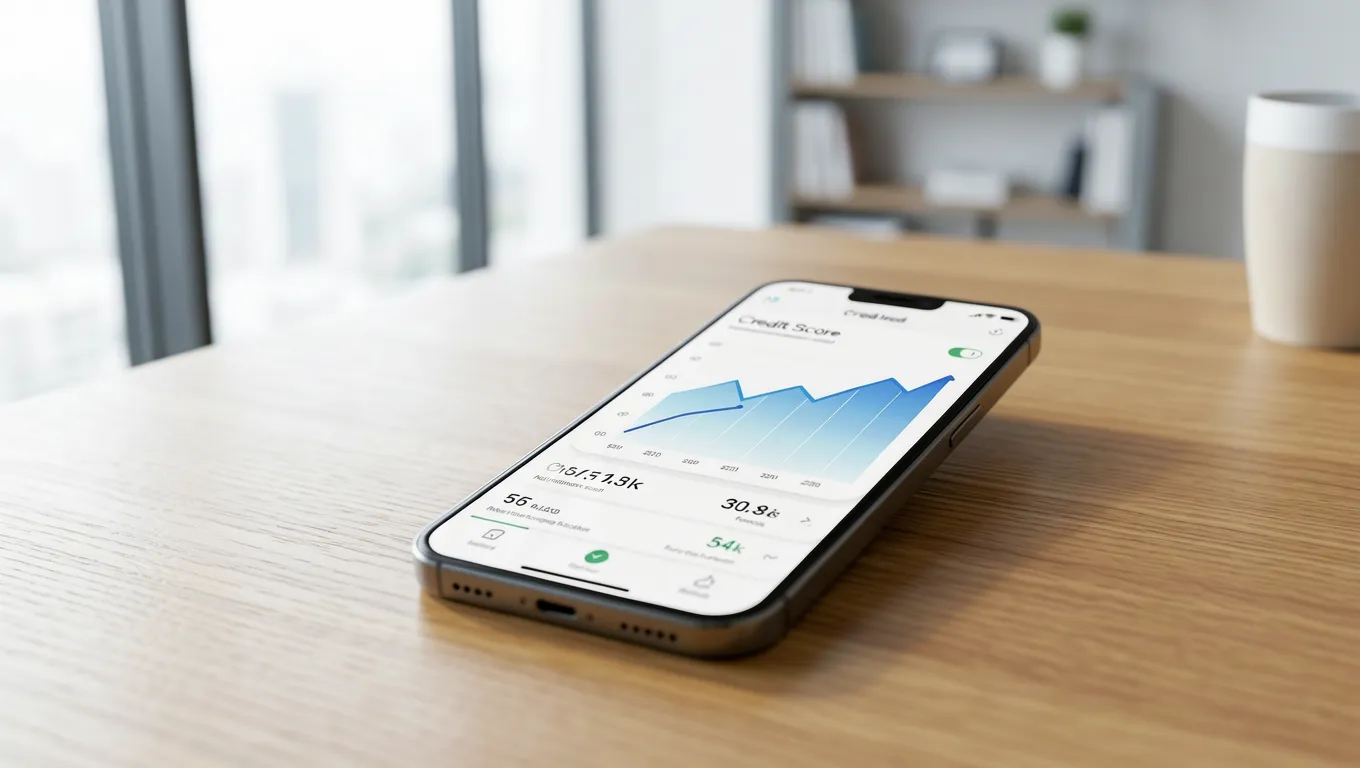
Establishing a solid foundation is the first step toward accessing better interest rates and financial freedom. Discover how you can start your journey in 2026.
No hard credit pull · Takes 2 minutes
Won't impact your credit score
Determine if you need a secured card or an installment loan to help diversify your credit mix.
Review different lenders and terms through GoodKnight Credit to find the match that suits your current profile.
Once you find a potential match, move forward with the lender's specific application process.
Starting from scratch or repairing a damaged score requires a strategic approach to building credit history. In the current 2026 economic landscape, lenders look for patterns of reliability rather than just a single high number. A key element in this process is managing your debt-to-income ratio, which measures how much of your monthly income goes toward paying existing debts. When you maintain a low ratio, you demonstrate to potential lenders that you have the capacity to take on new obligations without significant risk.
According to data often cited by major bureaus like Experian, one of the most critical components is your credit utilization ratio. This represents how much of your available revolving credit you actually use each month. For instance, if you have a credit limit of $1,000 and you consistently spend $900, your utilization is at 90%, which can negatively impact your score. Aiming for a lower threshold—ideally below 30%—can be a powerful way to signal financial stability. Many borrowers find that using a small fixed-rate installment loan to pay down high-interest revolving debt can actually help stabilize their profile over time.
It is important to remember that the process of credit establishment is not an overnight event. It involves consistent, on-time payments across various types of accounts. Whether you are looking at a personal loan or a secured credit card, every single payment is recorded and reported to the bureaus. While APRs can vary widely—often ranging from 6% to 36% depending on your specific profile—the consistency of these payments is what ultimately builds the history required for more significant financial milestones.
As you navigate these options, keep in mind that different products impact your score in different ways. For example, adding a new account might cause a temporary dip due to a hard credit inquiry, but the long-term benefit of a varied credit mix often outweighs this short-term fluctuation. By understanding these mechanics, you can approach your financial goals with confidence and clarity.
To truly master the art of building credit history, one must look closely at the specific metrics used by scoring models. The Consumer Financial Protection Bureau (CFPB) emphasizes that understanding how your data is reported can empower you to make better decisions. One major factor is your payment history, which typically accounts for a significant portion of your total score. A single late payment reported on your profile can linger for years, making it essential to automate your payments whenever possible.
Another vital metric involves the length of your credit history. This refers to how long your accounts have been active and the age of your oldest account. In 2026, many financial experts suggest that keeping older accounts open—even if they are not being used heavily—can help maintain a longer average account age. This longevity provides evidence to lenders that you have a sustained relationship with credit providers over several years.
Furthermore, the type of credit you hold matters immensely. Lenders prefer to see a healthy balance between revolving credit (like credit cards) and installment credit (like personal loans). This is known as your credit mix. If you only have one type of account, your score may not reflect your full potential for managing different kinds of debt. By strategically incorporating an installment loan into your profile, you can demonstrate that you are capable of handling structured repayment schedules.
Finally, be mindful of how many new accounts you open in a short period. While it might be tempting to apply for multiple lines of credit at once, this can signal financial distress to lenders. Instead, take a measured approach, focusing on one high-quality option at a time to ensure your profile remains stable and attractive to top-tier lenders.
| Tool Type | Primary Benefit | Impact on Score | Typical Requirement |
|---|---|---|---|
| Secured Credit Card | Establishes new history | High (Revolving) | Cash security deposit |
| Credit Builder Loan | Builds installment history | Moderate (Installment) | Small loan amount |
| Personal Loan | Diversifies credit mix | Variable | Proof of income |
| Rent Reporting Service | Uses existing bills | Low to Moderate | Monthly rent proof |
| Traditional Credit Card | High limit potential | High (Revolving) | Good credit score |
Even with the best intentions, many individuals encounter setbacks while building credit history. One of the most frequent errors is failing to monitor credit reports for inaccuracies. Errors from a previous mistake or even identity theft can significantly drag down your score. It is highly recommended to check your report at least once a year through official channels to ensure every entry is accurate and belongs to you.
Another common pitfall is the 'maxing out' trap. Many people believe that having a credit card with a high limit but using it only for small purchases is the best strategy, which is true; however, many actually end up utilizing nearly their entire limit during emergencies. This spikes your credit utilization and can cause an immediate drop in your score, even if you pay the balance off in full every month. Maintaining that buffer is essential for a healthy profile.
Additionally, be wary of 'predatory' credit products that promise instant results but come with exorbitant interest rates. While some specialized loans are designed specifically for those with low scores, always look closely at the APR and any potential origination fees before signing anything. In 2026, transparency is your best friend; if a lender cannot clearly explain their costs, it may not be the right partner for your financial journey.
Lastly, avoid the temptation to close old accounts just because you no longer need them. As mentioned earlier, account age is a vital component of your score. Closing an account can reduce your total available credit and shorten your average history, which often results in a lower score than if you had simply left it inactive.
For many, a strategic move in the journey of building credit history involves utilizing a fixed-rate installment loan. Unlike revolving credit cards where your balance changes constantly, an installment loan has a set number of payments and a fixed amount. This structure provides a predictable way to demonstrate consistent repayment behavior, which is highly valued by lenders across the United States.
The benefit of this approach lies in the 'credit mix' aspect of scoring models. If a borrower only uses credit cards, their profile might appear one-dimensional. Adding an installment component shows that you can manage different types of debt simultaneously. This diversification can be a catalyst for score improvement as your history with these structured loans grows longer and more stable.
However, it is vital to use this tool correctly. Taking out a loan that is significantly larger than what you actually need can increase your total debt burden unnecessarily. The most effective way to use an installment product for credit building is to select a manageable amount that fits comfortably within your monthly budget. This minimizes the risk of late payments and ensures the process remains beneficial rather than burdensome.
In 2026, many lenders have streamlined their digital application processes, making it easier to find these specialized products. When comparing options, always look for transparency regarding any origination fees or prepayment penalties. A well-chosen loan can serve as a powerful stepping stone toward the high credit score required for homeownership, auto loans, and other major life milestones.
Set up automatic payments for at least the minimum amount on every account.
Try to keep your total credit usage below 30% of your available limits.
Consider adding an installment loan to create a more balanced credit mix.
Check for errors at least once a year to ensure your data is accurate.
Understanding the lender's perspective is crucial when you are actively building credit history. When a lender reviews your application, they aren't just looking at a single number; they are looking for a story of reliability and stability. They use various data points to assess the likelihood that you will repay your debt according to the agreed-upon terms. This assessment often includes checking multiple bureaus to get a holistic view of your financial behavior.
It is important to distinguish between soft inquiries and hard inquiries. A soft inquiry occurs when you check your own score or when lenders check your credit for a pre-qualified offer; this does not impact your score. However, a hard inquiry happens when you formally apply for credit and can cause a small, temporary dip in your rating. Being mindful of how many hard inquiries you trigger in a short window is essential to maintaining a positive trajectory.
Lenders also look at your income stability and employment history. They want to see that the funds required to service your debt are consistent and reliable. In 2026, digital verification methods have made this process faster and more accurate for both lenders and borrowers. Providing clear, verifiable documentation can help smooth the path toward an approval.
Ultimately, the goal of building credit is to become a 'low-risk' borrower in the eyes of the financial industry. As your history grows and your score improves, you move from being a candidate for high-interest, specialized products to being eligible for more competitive rates on standard personal loans and mortgages. This transition is the ultimate reward for your disciplined approach to credit management.
Your data is protected with industry-leading encryption and security protocols.
We connect you to a diverse range of lenders to find your best match.
Get compared options quickly so you can focus on your financial goals.
No hidden fees or surprises during the initial matching phase.
Adjust the sliders to see an instant estimate. Actual rates depend on your credit profile.
* Estimate only. Actual rate and terms depend on lender approval.
Estimated Monthly Payment
$332.14
per month for 36 months
No impact on your credit score