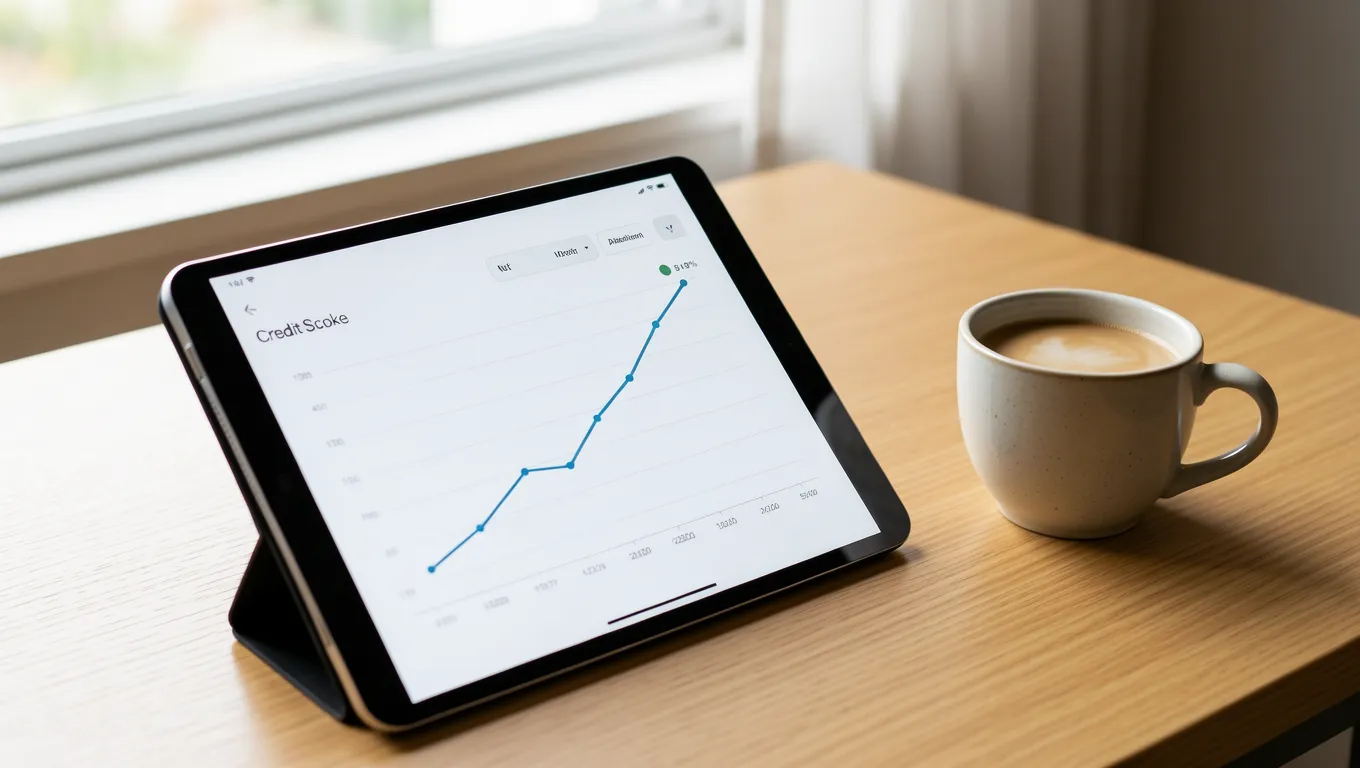
Discover how smart financial moves can lift your score and open doors for better rates in 2026. GoodKnight Credit connects you with lenders designed to help you grow.
No hard credit pull · Takes 2 minutes
Won't impact your credit score
Review your latest reports from Equifax, Experian, or TransUnion to identify <b>areas for improvement</b> and any errors that may be dragging down your score.
Choose between tools like secured cards or installment loans depending on which factor—<em>utilization or credit mix</em>—needs the most attention.
As you build history, track your progress to ensure that <b>newly established accounts</b> are reporting correctly to the bureaus.
Navigating the complex world of credit requires more than just paying bills on time; it necessitates a deliberate approach to how you manage debt. In 2026, understanding the nuances of your credit utilization ratio is paramount. This metric, which represents the amount of revolving credit you are using compared to your total limits, can account for up to 30% of your score. For instance, if you have a limit of $10,000 and carry a balance of $3,000, your utilization is 30%. Aiming for under 30%—or ideally under 10%—is often recommended by experts to maximize your score potential.
Another vital component involves the diversity of your credit accounts. Financial institutions look at your credit mix to see if you can handle different types of debt, such as revolving accounts (like credit cards) and installment loans (like personal or auto loans). According to guidance from the CFPB, having a healthy blend of these account types can signal stability to future lenders. If your profile is heavily weighted toward one type, adding a fixed-rate installment loan might be a strategic move to diversify your history.
Lenders in 2026 continue to use sophisticated algorithms to assess risk. While some may offer products specifically designed for those starting from scratch, the goal remains the same: demonstrate reliability. Whether you are working with an APR range of 6%–36% or looking for specialized tools, every positive reporting event contributes to a more robust profile. Remember that while these strategies can help, approval is never guaranteed and depends on individual lender criteria.
To truly master credit building, one must understand the weight of payment history. This single factor is often cited by major bureaus like Experian as having the most significant impact on your score. A single late payment can linger on your report for years, causing a sudden drop in your standing. In 2026, many consumers are turning to automated payment systems to ensure they never miss a deadline, effectively automating their financial discipline.
Beyond payments, the age of your credit history plays a massive role. Closing out old accounts might seem like a way to simplify finances, but it can actually harm your score by reducing the average age of your accounts and decreasing your total available credit. This interplay between account longevity and utilization is why many experts suggest keeping even those older, unused cards active with small monthly purchases.
Furthermore, being mindful of hard inquiries is essential. Every time you apply for a new line of credit, a lender performs a hard pull on your report. While one or two inquiries are normal, multiple applications in a short window can signal financial distress to lenders. By using comparison tools like GoodKnight Credit, which may allow you to see potential matches without affecting your score, you can shop with more confidence.
| Strategy Type | Primary Benefit | Impact Level | Typical Interest Rate |
|---|---|---|---|
| Secured Credit Card | Builds revolving history | High (if used well) | Varies widely |
| Credit Builder Loan | Establishes installment history | Moderate to High | Fixed rate |
| Co-signed Loan | Leverages higher scores | High (if repaid) | Depends on co-signer |
| Authorized User | Inherits existing history | Immediate boost | N/A |
| Debt Consolidation Loan | Lowers utilization ratio | Moderate to High | Often lower than cards |
A common mistake in credit building is focusing solely on revolving debt. While credit cards are excellent for daily transactions, they do not provide the same 'mix' benefits as an installment loan. An installment loan—where you pay a set amount over a fixed period—demonstrates to lenders that you can manage long-term repayment schedules. This is particularly beneficial if your current profile consists only of credit cards or no debt at all.
In 2026, many individuals use small personal loans as a strategic tool. By taking out a loan and paying it down systematically, you are essentially training the algorithms to see you as a reliable borrower for larger amounts, such as mortgages or auto loans. It is important to note that while this can help your credit mix, it should only be done if you have a clear plan for repayment, as new debt increases your overall financial obligations.
The Federal Reserve has noted that consumer debt management is a cornerstone of long-term stability. By utilizing an installment loan to consolidate high-interest revolving debt, you might not only improve your credit mix but also lower your total interest expense. This dual benefit can accelerate your journey toward the prime or super-prime tiers where the best financial opportunities reside.
Even with the best intentions, it is easy to fall into traps that can derail your progress. One of the most significant risks is the 'credit seeking' behavior that occurs when someone applies for multiple loans simultaneously. While you might feel like you are just shopping around, each hard inquiry leaves a footprint. In 2026, smart consumers use soft-pull pre-qualification tools to minimize this impact before making any formal decisions.
Another pitantfall is ignoring the fine print regarding origination fees and variable interest rates. Some products designed for credit building might carry higher costs that offset the benefits of a score increase. It is vital to calculate the total cost of borrowing, including all fees associated with the loan, before committing to any new financial product.
Finally, be wary of 'credit repair' services that promise to wipe away legitimate negative information for an upfront fee. The FTC has issued numerous warnings regarding companies that claim they can remove accurate negative data from your report. Legitimate credit building is a marathon, not a sprint, and it relies on changing your financial habits rather than finding shortcuts through unregulated services.
You may also want to review bad credit loans and credit repair defaults before deciding what works best.
Set up auto-pay for at least the minimum amount on all accounts to ensure you never have a late payment.
Periodically ask your card issuers for higher limits. As long as you don't spend more, this improves your utilization ratio.
Check your reports once a year through official channels to ensure all information is accurate and up-to-date.
Try not to take on new high-interest debt while you are actively working to raise your score through other methods.
We connect you with a wide variety of lenders, increasing your chances of finding the right tool.
Your data is handled with care and used only to find matches that fit your specific needs.
Get a quick overview of what you might qualify for without the long wait times.
We provide straightforward information so you can make an informed decision for your future.
Adjust the sliders to see an instant estimate. Actual rates depend on your credit profile.
* Estimate only. Actual rate and terms depend on lender approval.
Estimated Monthly Payment
$332.14
per month for 36 months
No impact on your credit score