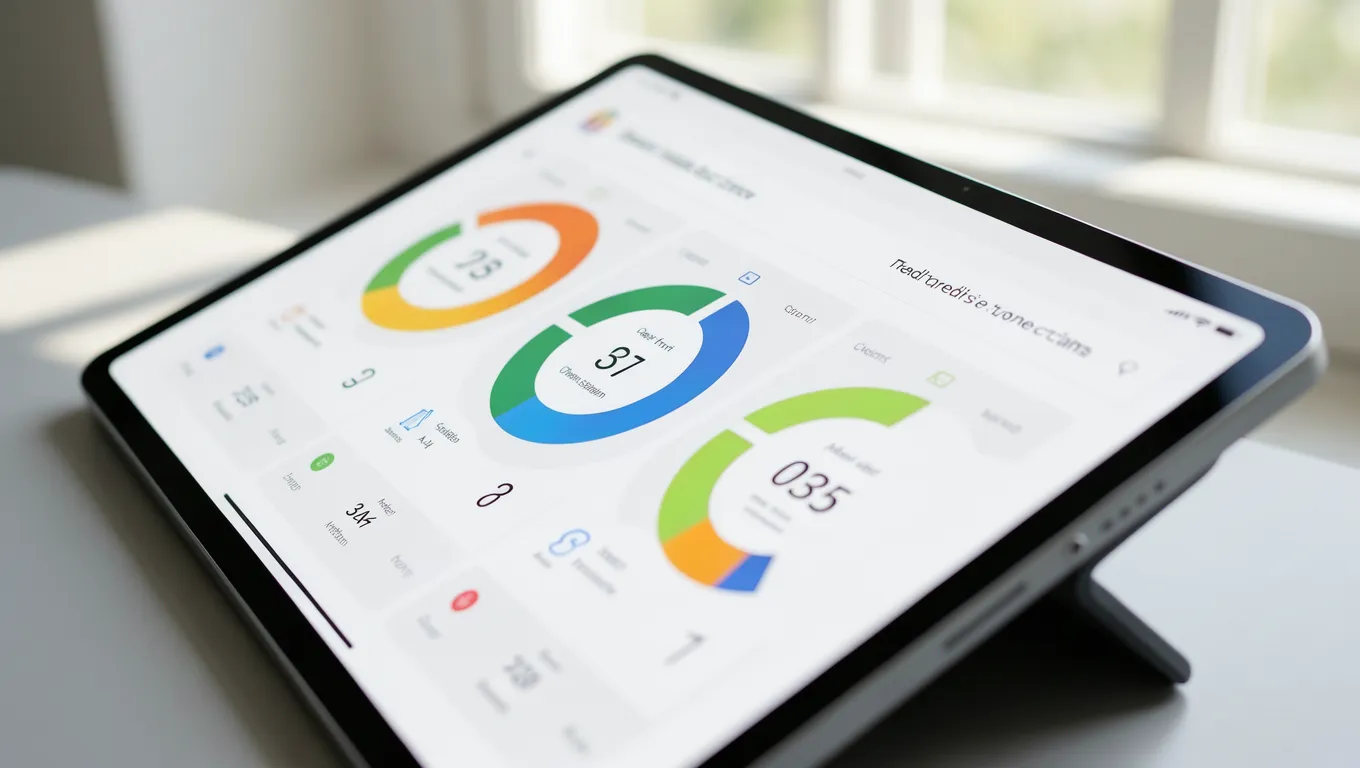
Navigating how your score impacts loan terms in 2026 can be complex. We help you find lenders that match your specific credit profile today.
No hard credit pull · Takes 2 minutes
Won't impact your credit score
Determine where you sit on the modern credit score scale by reviewing your latest reports from major bureaus.
See how different lenders might view your profile and what rates could be available to you based on your data.
Choose the loan terms that best fit your financial goals and repayment capacity for the upcoming year.
Navigating the nuances of a credit score scale is essential for anyone looking to secure financing in 2026. Most lenders utilize models like FICO or VantageScore to assess your reliability as a borrower, with scores typically ranging from 300 to 850. Your placement on this spectrum acts as a primary indicator of risk; for instance, a score above 740 is often considered exceptional, while anything below 580 may be viewed as challenging by traditional lenders. Understanding these thresholds helps you manage expectations regarding the interest rates and loan amounts you might qualify for.
According to data from major bureaus like Experian, your payment history remains the most significant factor in determining your position on the scale. This means that even a single late payment could potentially cause a sudden drop in your rating. Other critical components include your credit utilization ratio—the amount of revolving credit you use compared to your total limits—and the length of your credit history. Maintaining a low utilization rate, ideally below 30%, is one of the most effective ways to improve your standing over time.
In 2026, lenders are increasingly looking at more than just a single number. They may consider your debt-to-income ratio (DTI) and overall financial stability when determining final terms. While a high score is beneficial, it does not guarantee approval; rather, it places you in a stronger position to secure a fixed-rate installment loan with more favorable conditions. By understanding how these variables interact, you can approach the borrowing process with greater confidence and clarity.
| Credit Tier | Score Range | Estimated APR Range | Loan Availability |
|---|---|---|---|
| Exceptional | 740-850 | 6.5% - 12% | High Availability |
| Very Good | 670-739 | 12.1% - 18% | High Availability |
| Good | 580-669 | 18.1% - 25% | Moderate Availability |
| Fair | 500-579 | 25.1% - 30% | Limited Availability |
| Poor | 300-499 | 30.1% + | Very Limited |
The direct correlation between your position on the credit score scale and the cost of borrowing is undeniable. As you move higher up the scale, lenders perceive less risk, which typically translates to a lower APR (Annual Percentage Rate). For example, a borrower with an exceptional score might secure an interest rate that is significantly lower than someone in the fair category, leading to thousands of dollars in savings over the life of a five-year loan. This difference can impact your monthly cash flow and overall long-term affordability.
It is important to remember that APR varies by lender and the specific details of your financial profile. In 2026, market volatility may cause shifts in base rates, but your credit tier will always be a primary lever in determining where you land within those market fluctuations. Some lenders might also apply an origination fee to certain loan products, which is another cost that can vary based on how much risk the lender is assuming by approving your application.
Data from the Federal Reserve suggests that consumer credit behavior remains a key metric for financial institutions when setting their lending criteria. This means that lenders may look beyond just the number to see if you have a history of managing multiple lines of credit effectively. If you are seeking a debt consolidation loan, your score will play a massive role in whether the new interest rate is actually low enough to provide meaningful savings on your existing monthly payments.
While many people focus solely on their score, eligibility for a personal loan in 2026 depends on a holistic view of your finances. Even with an excellent position on the credit score scale, lenders may still require proof of stable income or a specific debt-to-income ratio to ensure you can comfortably manage new monthly payments. This multi-layered approach helps prevent over-extension and ensures that the borrower is set up for success rather than struggle.
For those in the 'Fair' or 'Poor' tiers, finding traditional financing may be more difficult, but it is not impossible. Some lenders specialize in providing options for individuals with less-than-perfect credit, though these loans often come with higher interest rates to offset the increased risk. It is vital to understand that terms and conditions can vary wildly between a large national bank and a specialized online lender. Always review the fine print regarding prepayment penalties or late fees before signing.
Lenders also look at your employment history as a sign of stability. A steady stream of income, documented through recent pay stubs or tax returns, can often bridge the gap if your credit score is slightly lower than desired. By presenting a complete picture of your financial health, you may find that you are eligible for more competitive products than your score alone might suggest.
If you find yourself in a position on the credit scale that is not ideal, there are proactive steps you can take to improve your standing before applying for major financing. One of the most effective methods is addressing any errors on your credit report. The FTC recommends regularly checking your reports from all three bureaus because mistakes, such as incorrectly reported late payments or accounts that do not belong to you, can drag your score down unnecessarily.
Another powerful strategy involves managing your credit utilization. If you have high balances on several credit cards, paying those down even slightly can result in a notable bump in your score within one or two billing cycles. Additionally, avoiding new credit inquiries for a few months before applying for a loan can help present a more stable profile to potential lenders.
Finally, consistency is key. Maintaining an impeccable record of on-time payments is the foundation of a strong credit identity. Even if you are currently managing debt through a fixed-rate installment loan, ensuring that every single payment is made by the due date will build the positive history needed to climb into higher scoring tiers in 2026 and beyond.
Borrowers weighing this choice often look at bad credit loans and creditors calling its time to repair credit as well.
Check for inaccuracies in your credit files at least once a year. Correcting errors is a fast way to boost your score.
Aim to use less than 30% of your available credit limit on every single card to maintain a healthy profile.
Set up automatic payments to ensure you never miss a deadline, as this is the most important factor for most models.
Limit how often you apply for new credit in a short window. Too many hard pulls can signal financial distress to lenders.
We connect you with a diverse array of lenders to increase your chances of finding a match.
No hidden fees or surprises; we show you the options available based on your unique profile.
Your data is protected with industry-leading encryption and privacy standards in 2026.
A seamless experience designed to help you understand your options without the headache.
Adjust the sliders to see an instant estimate. Actual rates depend on your credit profile.
* Estimate only. Actual rate and terms depend on lender approval.
Estimated Monthly Payment
$332.14
per month for 36 months
No impact on your credit score