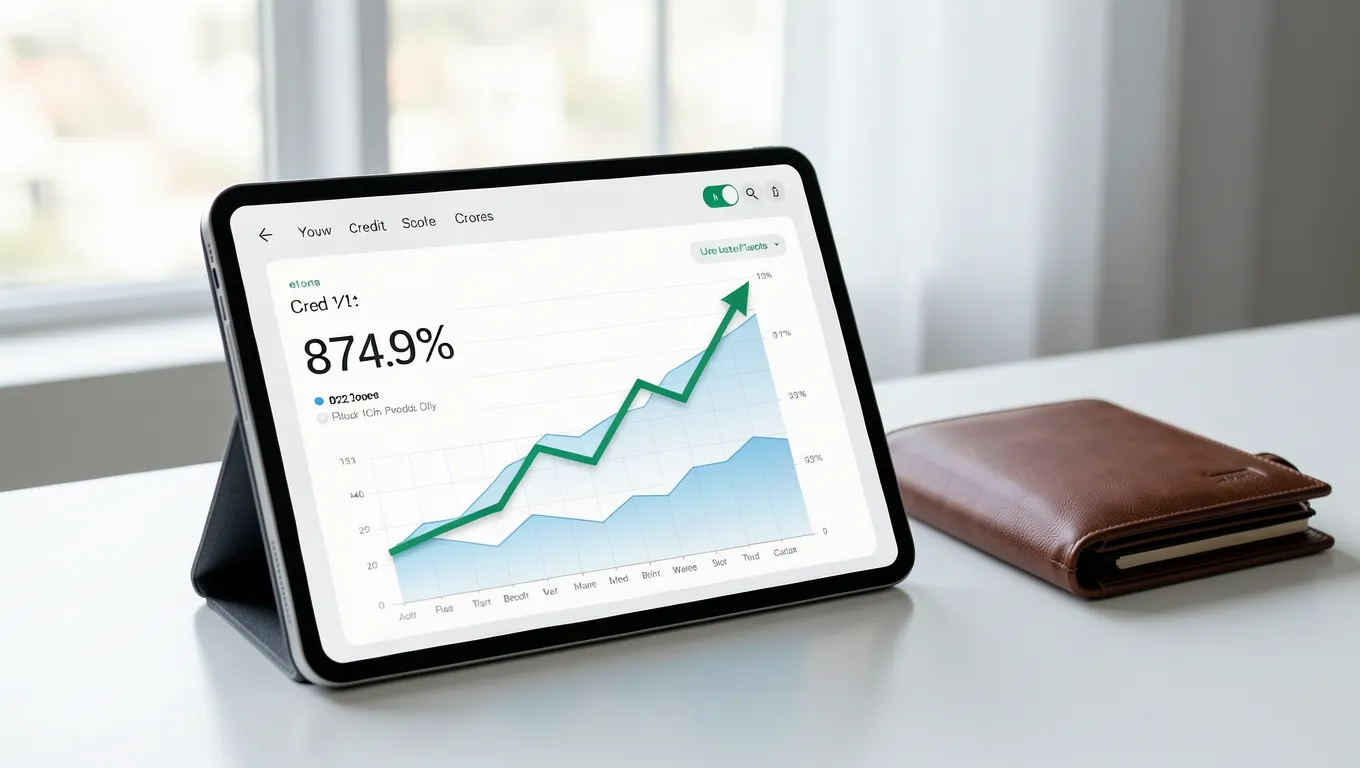
Finding the right path toward better credit can feel overwhelming in 2026. GoodKnight Credit helps you connect with lenders who specialize in helping you move forward.
No hard credit pull · Takes 2 minutes
Won't impact your credit score
Enter your basic financial information through our secure portal to see which lenders may match your specific profile.
Review a curated list of potential lenders and compare their terms, interest rates, and repayment structures side-by-side.
Select the option that fits your needs best and proceed directly to the lender to complete your application.
Navigating the complexities of credit rebuilding requires a clear understanding of how scoring models function. In 2026, most lenders rely heavily on FICO and VantageScore models to determine your reliability as a borrower. One of the primary drivers of these scores is your payment history, which accounts for roughly 35% of your total score according to data from major bureaus like Experian. If you have missed payments in the past, engaging in proactive credit repair might involve disputing inaccuracies or strategically managing new debt.
Many individuals seek out a fixed-rate installment loan as a tool for restructuring their finances. By using such a loan to pay down high-interest revolving balances, you can significantly lower your credit utilization ratio. For instance, if you carry a balance that is close to your total credit limit, your score may suffer even if you make on-time payments. Reducing this ratio by shifting debt from credit cards to an installment loan is a common strategy used to improve financial health.
It is important to remember that while certain actions can help, there are no instant fixes. The explore options regarding debt management often involve long-term planning. As the FTC frequently advises, consumers should be wary of services promising immediate score jumps; instead, focus on legitimate methods like ensuring your credit report is accurate and maintaining a healthy debt-to-income ratio.
Debt consolidation has emerged as a cornerstone strategy for those looking to stabilize their credit profile. In 2026, many borrowers find that moving multiple high-interest debts into a single monthly payment can provide much-needed breathing room. This process is particularly effective when the new loan offers an . By consolidating, you are essentially replacing revolving credit with structured debt, which often looks more favorable to scoring algorithms.
When you utilize a personal loan for consolidation, you are effectively managing your credit utilization in real-time. For example, if you have three credit cards maxed out at 95% capacity, your score is likely being suppressed by high risk indicators. By paying those off with a single loan, your revolving utilization drops to near zero, which can lead to a noticeable improvement in your score over several months of consistent reporting.
However, the success of this strategy depends heavily on your behavior following the consolidation. If you continue to use the now-empty credit cards for new purchases, you may end up with even more debt than before. To truly benefit from these financial tools, it is vital to maintain a disciplined approach to spending and ensure that every payment is recorded as to build positive history.
| Strategy | Primary Benefit | Potential Impact | Complexity |
|---|---|---|---|
| Debt Consolidation | Lower Interest Rates | High (Utilization) | Moderate |
| Error Disputes | Remove Inaccuracies | Variable | High |
| Credit Mix Expansion | Diversified Profile | Low to Moderate | Moderate |
| On-time Payments | Builds History | Very High | Low |
| Utilization Reduction | Lowers Risk Ratio | High | Moderate |
Understanding the landscape of interest rates is crucial when considering a loan for credit rebuilding. In 2026, market volatility can influence the offered by various lenders. Generally, borrowers with higher scores may see rates starting near 8% or 9%, while those working on their credit might see offers in the range. It is essential to compare the total cost of borrowing rather than just the monthly payment.
Lenders evaluate your risk through several lenses, including your income, employment stability, and current debt load. According to Federal Reserve data on consumer credit trends, lenders in 2026 are increasingly looking at holistic financial health, not just a single number. This means that having a stable debt-to-income ratio can be just as important as the score itself when you apply for a loan.
When reviewing terms, pay close attention to whether the lender charges an . While some lenders offer no-fee loans, others may deduct a percentage from your loan proceeds upfront. Understanding these nuances ensures that you are not surprised by the actual amount of capital you receive at closing. Always read the fine print regarding any prepayment penalties, which can impact how quickly you can pay off the debt to further improve your credit.
Strategic borrowing is about using debt as a tool rather than an obligation. For many, this means taking out a loan with the specific intent of cleaning up their financial footprint. When you use a personal loan to settle old collections or overdue accounts, you are actively managing your credit profile in real-time. This can be particularly beneficial if you are preparing for a major life event, such as buying a home or a vehicle.
A key element of this strategy is the concept of . Lenders often prefer to see that a borrower can handle different types of credit responsibly—both revolving (like credit cards) and installment (like personal loans). If your profile only consists of credit card debt, adding an installment loan may actually help bolster your score over time by demonstrating diverse financial management.
However, the goal should always be to reduce total debt. Using a loan to pay off another debt is only successful if you avoid accumulating new debt in the process. Many experts suggest setting up automated payments for both your new loan and your remaining credit cards to ensure that no single slip-up negates the progress you have worked so hard to achieve.
If this option fits your situation, it's also worth comparing bad credit loans and credit score scale.
Obtain your free reports from Equifax, Experian, and TransUnion. Disputing errors can be a to see an immediate score bump.
Try to keep your credit card balances below 30% of their limits. This is one of the most to raise your score quickly.
Set up auto-pay for all existing debts. A single late payment can stay on your report and hurt your for years.
Avoid applying for multiple types of credit in a short window. Too many hard pulls can signal to lenders that you are .
We use advanced encryption to ensure your sensitive financial data remains private and protected.
Access a wide variety of lenders, from traditional banks to specialized credit-focused institutions.
Our platform is designed for speed, helping you find potential matches in just a few minutes.
We believe in straightforward matching with no hidden fees during the initial search phase.
Adjust the sliders to see an instant estimate. Actual rates depend on your credit profile.
* Estimate only. Actual rate and terms depend on lender approval.
Estimated Monthly Payment
$332.14
per month for 36 months
No impact on your credit score